Health & Safety

Clint Jones

How Indoor Positioning Can Mean the Difference Between Life and Death

Clint Jones, Project Manager at Tarleton State University, explains why indoor positioning is critical during medical emergencies. Drawing from personal experience, he shares how precise location data could dramatically reduce response times and potentially save lives during incidents like strokes or heart attacks.

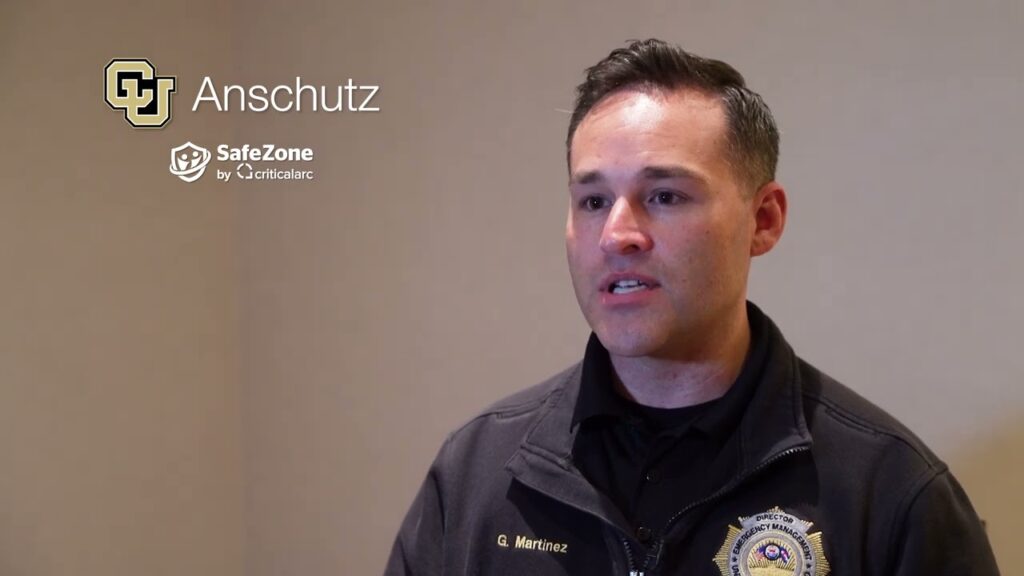
Garrey Martinez

How Situational Awareness Strengthens Campus Safety

Garrey Martinez, Director of Emergency Management at CU Anschutz, explains how SafeZone helps create a strong sense of safety across campus. He shares how active monitoring and support from first responders and key stakeholders give students, faculty, and staff confidence that help is always available when needed.

Richie Miller

Policing a Complex Healthcare Campus: Duty of Care in Action

Richie Miller, Lieutenant at UNT Health Fort Worth, explains the complexity of providing safety on a campus that combines higher education, research, and a seven-story medical clinic serving the public and incarcerated populations. He shares how SafeZone supports duty of care across students, staff, patients, and the broader community.

Jon Barefoot

How IU Health Is Addressing Workplace Violence in Healthcare

Jon Barefoot, Vice President of Security, Safety, and Disaster Preparedness at Indiana University Health, explains how rising incidents of workplace violence prompted IU Health to take a multi-pronged approach to safety. He shares how SafeZone helps empower team members to be proactive partners in their own safety and supports system-wide violence mitigation efforts.

Garrey Martinez

How SafeZone Supports Mental Health and Clinical Coordination on Campus

Garrey Martinez, Director of Emergency Management at CU Anschutz, explains how SafeZone strengthens mental health support through close coordination with clinical partners. He describes how the platform enables students, faculty, and staff to connect with clinicians during mental health crises, as well as before and after critical incidents, helping build a more resilient campus support system.