Safety & Security

Texas A&M

How Faster Officer Deployment Improves Game Day Safety

Mike Johnson, Chief of Police at Texas A&M University, and Kary Shaffer, Assistant Chief at Texas A&M University, explain how SafeZone improves response speed by showing exactly where officers are in real time. They describe how accurate location data helps dispatch the closest available resources, even in noisy, crowded environments.
Richie Miller

Why Modernizing Campus Safety Systems Can’t Wait

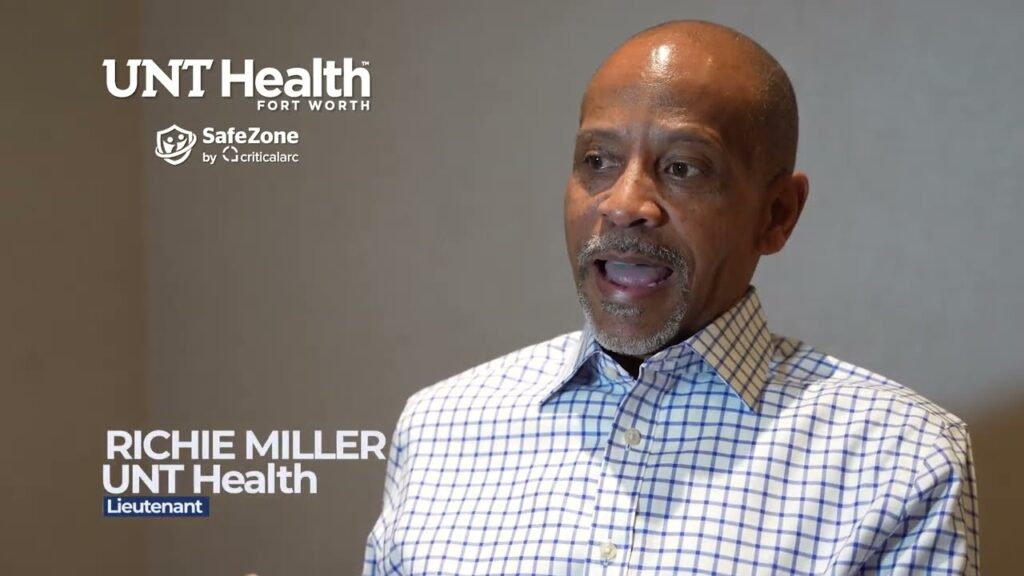
Richie Miller, Lieutenant at UNT Health Fort Worth, explains how outdated security systems and evolving risks highlighted the need for modernization. He shares how recent incidents and leadership awareness created momentum to adopt SafeZone and improve campus safety protocols.

Joe Monroe

How SafeZone Supports Game Day Safety and Transient Crowds

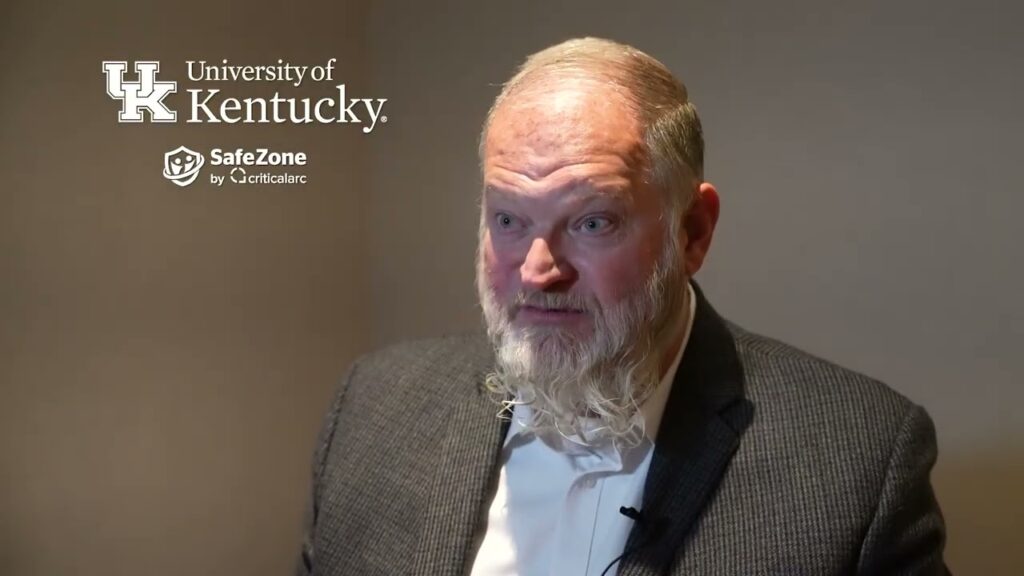
Joe Monroe, Chief of Police at the University of Kentucky, explains how SafeZone helps manage safety during large game day events. He highlights how geolocation and beacon technology enable faster officer response and more efficient communication with transient fan populations.

Daran Dodd

Why Consolidating Safety Systems Matters for Campus Security

Daran Dodd, Chief of Police at UNC Asheville, explains how consolidating multiple safety systems into a single SafeZone platform improved efficiency and reduced complexity. He shares how moving away from five separate systems enabled faster, more reliable emergency communications and response.

Clint Jones

Why Parents See Campus Safety Apps as Essential

Clint Jones, Project Manager at Tarleton State University, shares a real-world story demonstrating how parents value campus safety technology. He explains how parents were eager to adopt SafeZone to provide added protection and peace of mind for students in vulnerable, high-visibility roles.

Barbara O'Connor

From Blue Phones to Smart AI Devices: The Future of Campus Safety

Barbara O’Connor, Assistant Vice President for Public Safety at Florida State University, explains her vision for transforming traditional campus blue phones into AI-enabled safety devices. She describes how intelligent cameras and voice-activated technology can improve emergency awareness and deliver faster, more effective responses.

WesternU

What a Smooth Campus Safety Deployment Looks Like

Associate Vice President of Operations Gabriel Valencia-Martinez, Manager of Campus Security Seth Miller, and Director of Security David Sevesind at Western University of Health Sciences discuss WesternU’s smooth SafeZone deployment and the importance of strong relationships with consultants. They explain how treating partners as an extension of the university team helped ensure a successful rollout.

Texas A&M

Why Indoor Positioning Matters for Large-Scale Campus Events

Kary Shaffer, Assistant Chief at Texas A&M University, explains how indoor positioning and scalable technology support safety during large stadium events and concerts. He shares how real-time visibility allows teams to validate plans, adapt to changing conditions, and manage events beyond football season.

Richie Miller

Why Law Enforcement Leaders Should Consider SafeZone

Richie Miller, Lieutenant at UNT Health Fort Worth, shares why SafeZone is a valuable tool for law enforcement professionals. He explains how improved communication, accurate location data, and faster response align with the core mission of helping people and keeping communities safe.

Joe Monroe

Managing Safety on a Large, Urban, Open Campus

Joe Monroe, Chief of Police at the University of Kentucky, discusses the challenges of securing a large, open campus located in downtown Lexington. He explains how SafeZone enables reporting, photo sharing, and rapid assistance across a campus that functions like a city within a city.