Incident Management

Joe Monroe

Why After-Action Reviews Are Critical for Campus Safety

Joe Monroe, Chief of Police at the University of Kentucky, explains the importance of after-action reviews following every incident or event. He describes how continuous evaluation helps identify gaps, improve communication, and strengthen future response strategies.
Texas A&M

How SafeZone Helped Resolve Real Game Day Incidents

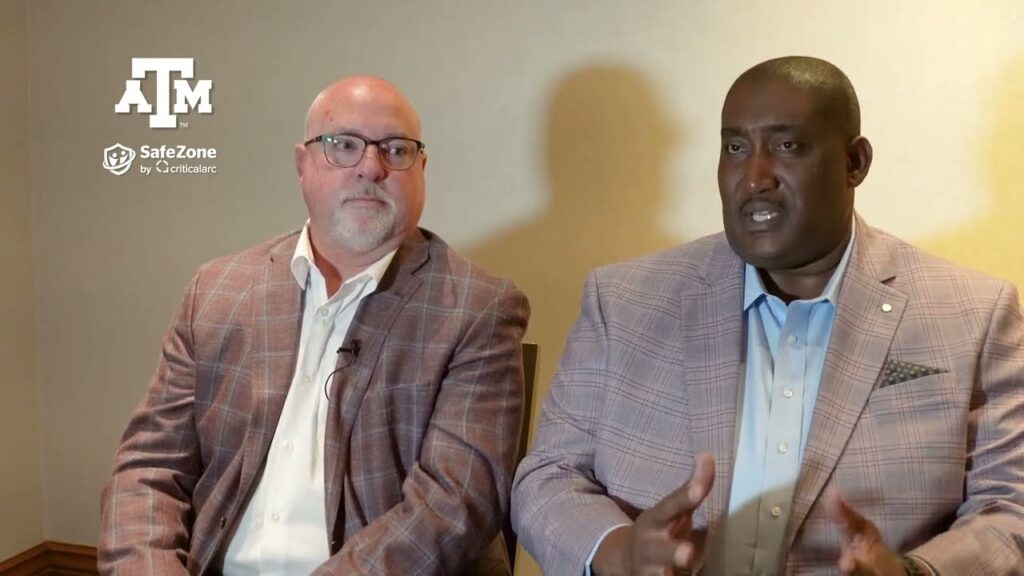
Mike Johnson, Chief of Police at Texas A&M University, and Kary Shaffer, Assistant Chief at Texas A&M University, share real examples where SafeZone helped resolve lost children, missing persons, and crowd disturbances. They explain how messaging and location tools prevented small issues from escalating into larger incidents.

Barbara O'Connor

How Faster Response Times Save Lives on Campus

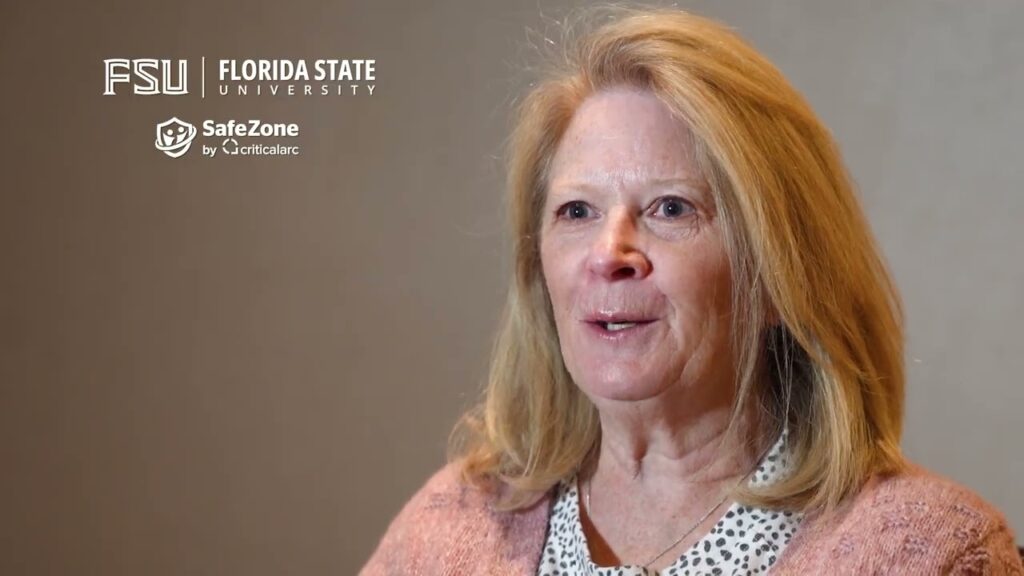
Barbara O’Connor, Assistant Vice President for Public Safety at Florida State University, recounts a critical incident on campus and explains how technology, dispatch coordination, and real-time crime center capabilities helped officers respond and neutralize a threat in under 2.5 minutes, demonstrating the life-saving impact of speed and coordination.

WesternU

How an Accidental Alert Proved Response Speed in Seconds

Associate Vice President of Operations Gabriel Valencia-Martinez, Manager of Campus Security Seth Miller, and Director of Security David Sevesind at Western University of Health Sciences recount an accidental SafeZone activation during a live demonstration that resulted in a security response within seconds. The moment served as a powerful, real-world validation of response speed and system reliability.

Texas A&M

How Faster Officer Deployment Improves Game Day Safety

Mike Johnson, Chief of Police at Texas A&M University, and Kary Shaffer, Assistant Chief at Texas A&M University, explain how SafeZone improves response speed by showing exactly where officers are in real time. They describe how accurate location data helps dispatch the closest available resources, even in noisy, crowded environments.

Richie Miller

Why Modernizing Campus Safety Systems Can’t Wait

Richie Miller, Lieutenant at UNT Health Fort Worth, explains how outdated security systems and evolving risks highlighted the need for modernization. He shares how recent incidents and leadership awareness created momentum to adopt SafeZone and improve campus safety protocols.

Barbara O'Connor

How AI-Powered Cameras Are Transforming Campus Threat Detection

Barbara O’Connor, Assistant Vice President for Public Safety at Florida State University, shares how AI-enhanced camera systems and license plate recognition are transforming campus safety. She explains how artificial intelligence helps identify threats in real time, dramatically reducing investigation timelines and improving response effectiveness.

Christopher Jamison

When Minutes Matter: Executing Emergency Communications in Seconds

Christopher Jamison of Alertus explains why campuses need a single point of activation for emergency communications. He highlights how rapid, coordinated messaging enables institutions to act decisively when minutes matter, ensuring communities receive clear instructions in seconds rather than minutes.