Executive

Barbara O'Connor

How Faster Response Times Save Lives on Campus

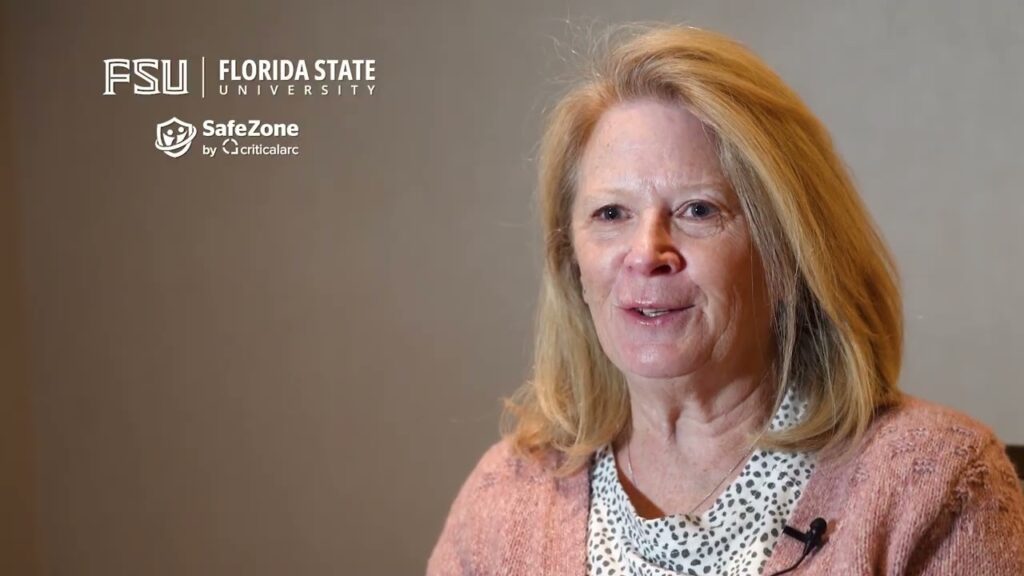
Barbara O’Connor, Assistant Vice President for Public Safety at Florida State University, recounts a critical incident on campus and explains how technology, dispatch coordination, and real-time crime center capabilities helped officers respond and neutralize a threat in under 2.5 minutes, demonstrating the life-saving impact of speed and coordination.
Texas A&M

Scaling Campus Safety Across Multiple Texas A&M Locations

Mike Johnson, Chief of Police at Texas A&M University, and Kary Shaffer, Assistant Chief at Texas A&M University, discuss expanding SafeZone beyond College Station to satellite campuses across Texas. They explain how a unified safety platform supports consistent protocols and peace of mind across geographically dispersed locations.

Jon Barefoot

Using Data and Analytics to Measure Safety ROI

Jon Barefoot, Vice President of Security, Safety, and Disaster Preparedness at Indiana University Health, explains how SafeZone data is integrated into enterprise analytics to measure adoption and usage. He shares how dashboards and data transparency help demonstrate real return on investment and drive continuous improvement.

Joe Monroe

How Strategic Marketing Drove Campus Safety App Adoption

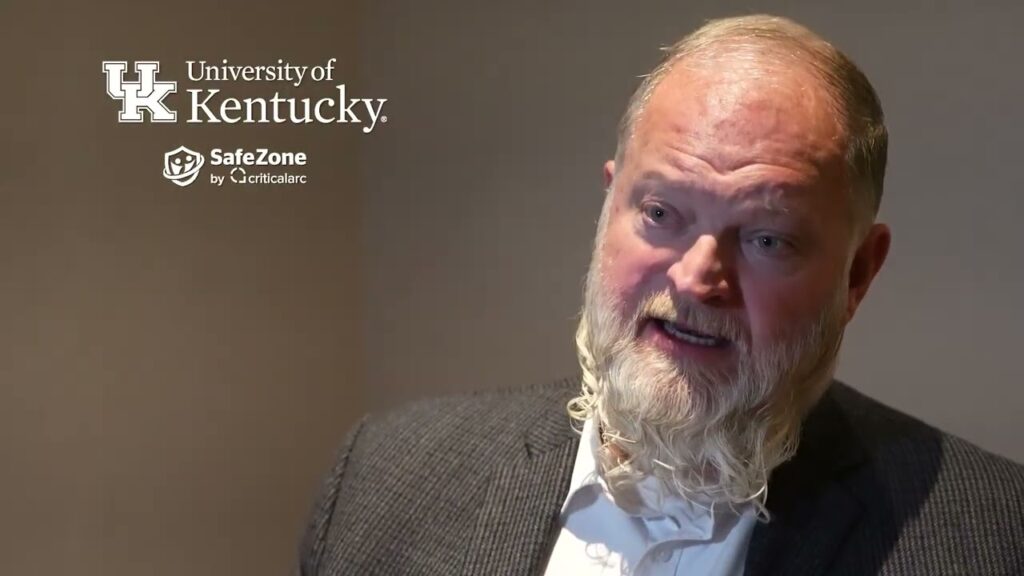
Joe Monroe, Chief of Police at the University of Kentucky, shares how a coordinated marketing and communications strategy accelerated SafeZone adoption. He describes phased rollouts, tabling events, targeted messaging, and high-visibility digital signage that helped drive awareness and usage.

Barbara O'Connor

What Game Day Teaches Us About Everyday Campus Safety Operations

Barbara O’Connor, Assistant Vice President for Public Safety at Florida State University, explains how the collaboration and real-time coordination used on game days can be applied to everyday campus operations. She highlights the value of integrated safety centers, cross-department communication, and proactive risk management.

WesternU

How Adoption Metrics Proved SafeZone Was Working

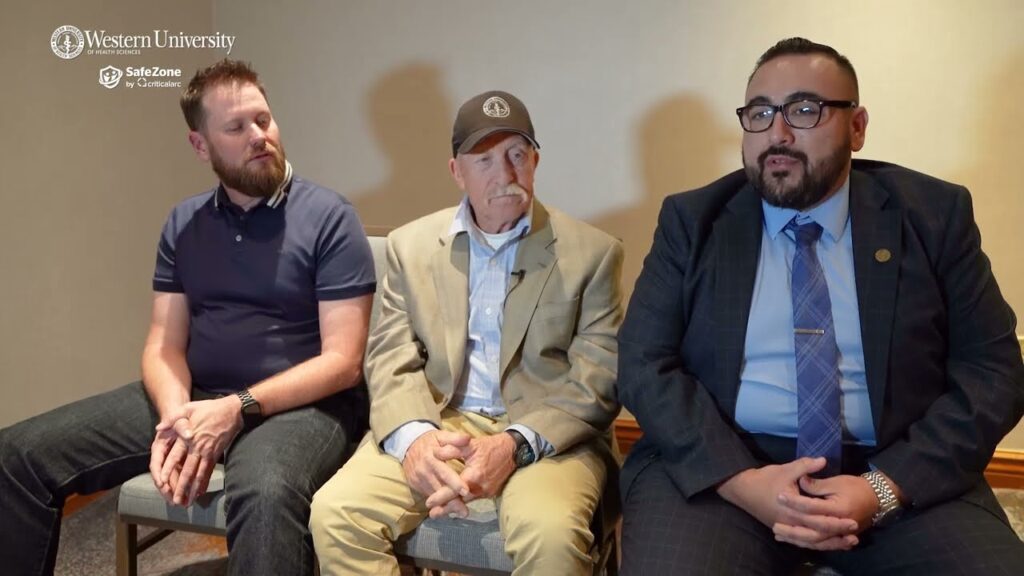
Associate Vice President of Operations Gabriel Valencia-Martinez, Manager of Campus Security Seth Miller, and Director of Security David Sevesind at Western University of Health Sciences share how adoption metrics and usage data demonstrated SafeZone’s impact. They explain how visible growth in downloads and engagement helped validate the investment with leadership and maintain momentum.

Richie Miller

Why Modernizing Campus Safety Systems Can’t Wait

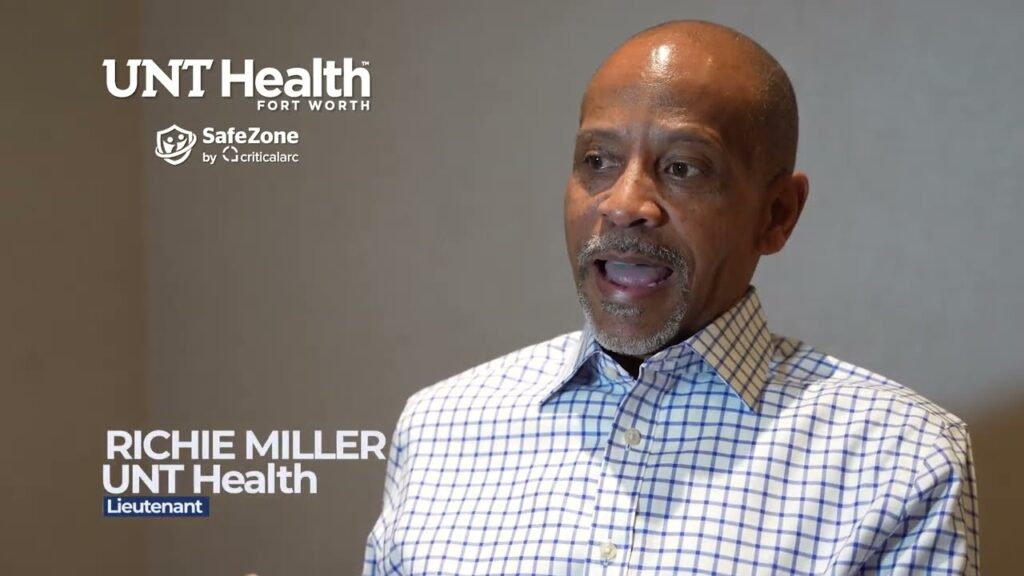
Richie Miller, Lieutenant at UNT Health Fort Worth, explains how outdated security systems and evolving risks highlighted the need for modernization. He shares how recent incidents and leadership awareness created momentum to adopt SafeZone and improve campus safety protocols.

WesternU

What a Smooth Campus Safety Deployment Looks Like

Associate Vice President of Operations Gabriel Valencia-Martinez, Manager of Campus Security Seth Miller, and Director of Security David Sevesind at Western University of Health Sciences discuss WesternU’s smooth SafeZone deployment and the importance of strong relationships with consultants. They explain how treating partners as an extension of the university team helped ensure a successful rollout.

Joe Monroe

Managing Safety on a Large, Urban, Open Campus

Joe Monroe, Chief of Police at the University of Kentucky, discusses the challenges of securing a large, open campus located in downtown Lexington. He explains how SafeZone enables reporting, photo sharing, and rapid assistance across a campus that functions like a city within a city.

Daran Dodd

Why Teamwork and Communication Matter Most in a Crisis

Daran Dodd, Chief of Police at UNC Asheville, describes critical moments of teamwork and communication during the hurricane response. He explains how SafeZone enabled communication with parents, responders, and staff when hundreds of inquiries were coming in and clarity was urgently needed.