Real-Time Coordination & Response

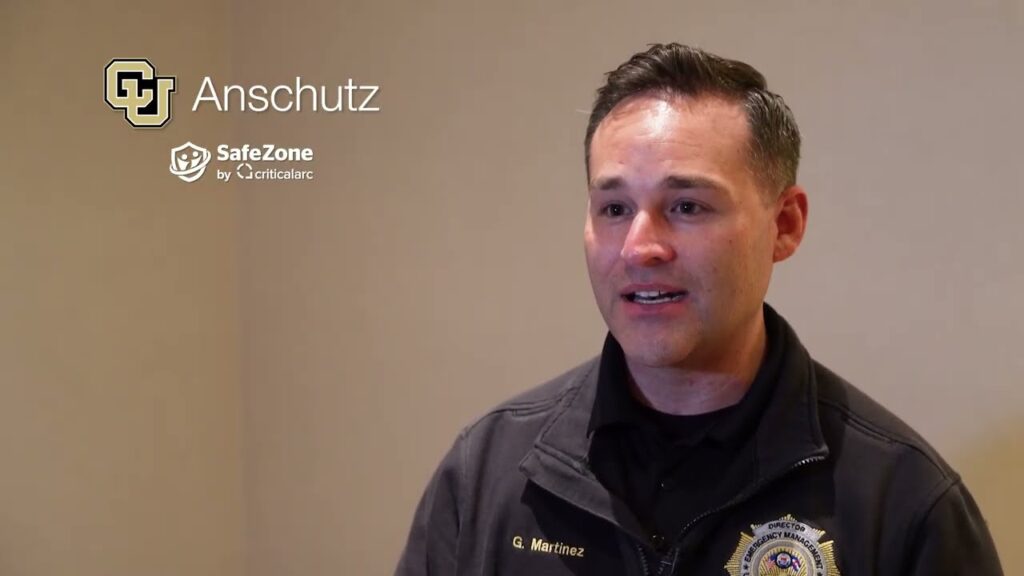
Garrey Martinez

How Situational Awareness Strengthens Campus Safety

Garrey Martinez, Director of Emergency Management at CU Anschutz, explains how SafeZone helps create a strong sense of safety across campus. He shares how active monitoring and support from first responders and key stakeholders give students, faculty, and staff confidence that help is always available when needed.
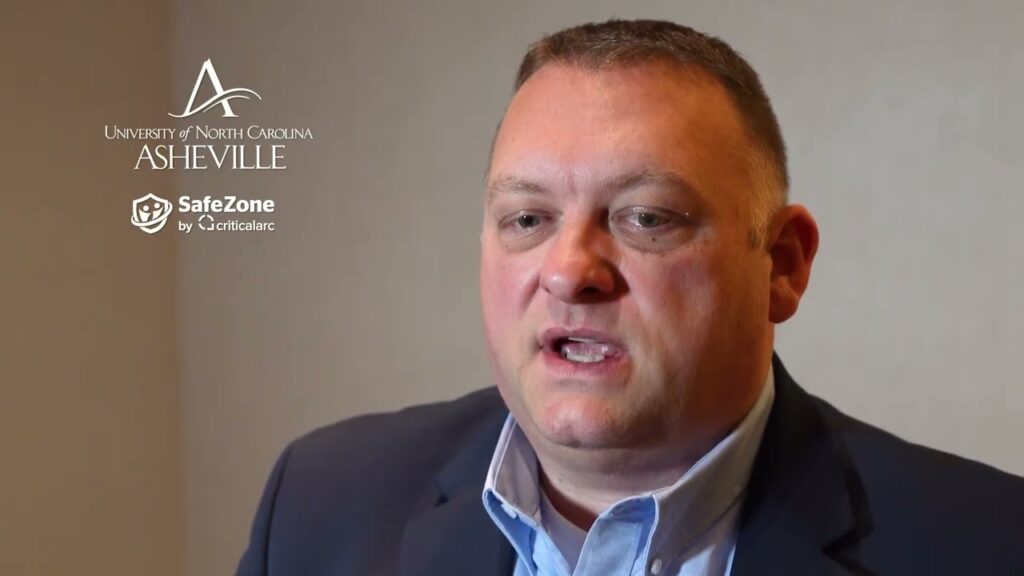
Daran Dodd

Maintaining Command and Control During Extreme Weather Events

Daran Dodd, Chief of Police at UNC Asheville, explains how SafeZone provided command and control during extreme weather conditions. He describes how geofencing, mapping, and resource visibility helped manage responders and maintain situational awareness when traditional communications failed.

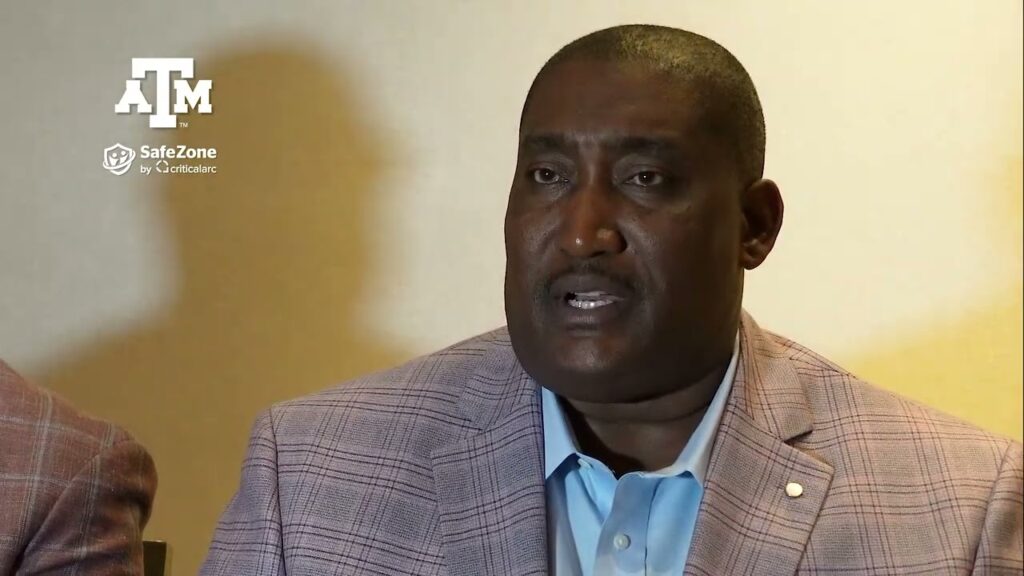
Texas A&M

Managing Game Day Safety for 100,000+ Fans at Texas A&M

Mike Johnson, Chief of Police at Texas A&M University, and Kary Shaffer, Assistant Chief at Texas A&M University, explain how SafeZone supports game day operations at massive scale. They discuss how real-time location awareness and indoor positioning improve situational awareness, officer deployment, and coordination during events with more than 100,000 attendees.

Daran Dodd

How SafeZone Supported UNC Asheville During a Hurricane Crisis

Daran Dodd, Chief of Police at UNC Asheville, recounts how SafeZone supported the university during a devastating hurricane that caused widespread infrastructure and communication failures. He explains how emergency messaging, remote support, and trusted partnerships enabled the university to keep students safe and informed during an unprecedented crisis.

Barbara O'Connor

How Technology & AI Are Transforming Campus Public Safety at Florida State University

Barbara O’Connor, Assistant Vice President for Public Safety at Florida State University, shares how rapidly evolving technology — including AI and emerging tools like drones — is reshaping campus public safety. Drawing on recent real-world incidents at FSU, she discusses the challenges of choosing future-proof systems, integrating proprietary technologies, and ensuring leadership alignment to support long-term safety strategies.