

Institutional Risk in Campus Safety: The Danger of Defending a Failing System
Institutions don’t get investigated simply because they lacked a policy. They are investigated because they couldn’t demonstrate performance when it […]
Institutions don’t get investigated simply because they lacked a policy. They are investigated because they couldn’t demonstrate performance when it […]

In higher education, safety is not just an operational function. It is a visible expression of institutional values. The way

Universities today are walking a tightrope — protecting free expression while ensuring the safety of students, staff, and visitors. The growing frequency of high-profile and potential controversial speakers has escalated tensions on campus, turning ordinary events into reputational and operational flashpoints.

Not only does poor connectivity hamper realtime monitoring and communication within teams, but it can also disrupt operations and delay response times.one’s analytics help universities shift from reactive to proactive safety strategies.

The rise of lone and high-risk workers has become a significant concern in the post-covid landscape. Organizations, particularly in the higher education sector, are grappling with the challenge of ensuring the safety and security of employees who often find themselves working alone or in potentially hazardous conditions. This blog explores some of the various scenarios faced by lone and high-risk workers and presents SafeZone as a comprehensive solution to these emerging challenges.

A serious issue has been making waves in the healthcare industry — workplace violence against our healthcare heroes. It’s something that’s all too common and deeply concerning. Studies show that this violence has significant negative impacts on healthcare professionals’ behavior, emotions, cognition, and physical wellbeing.
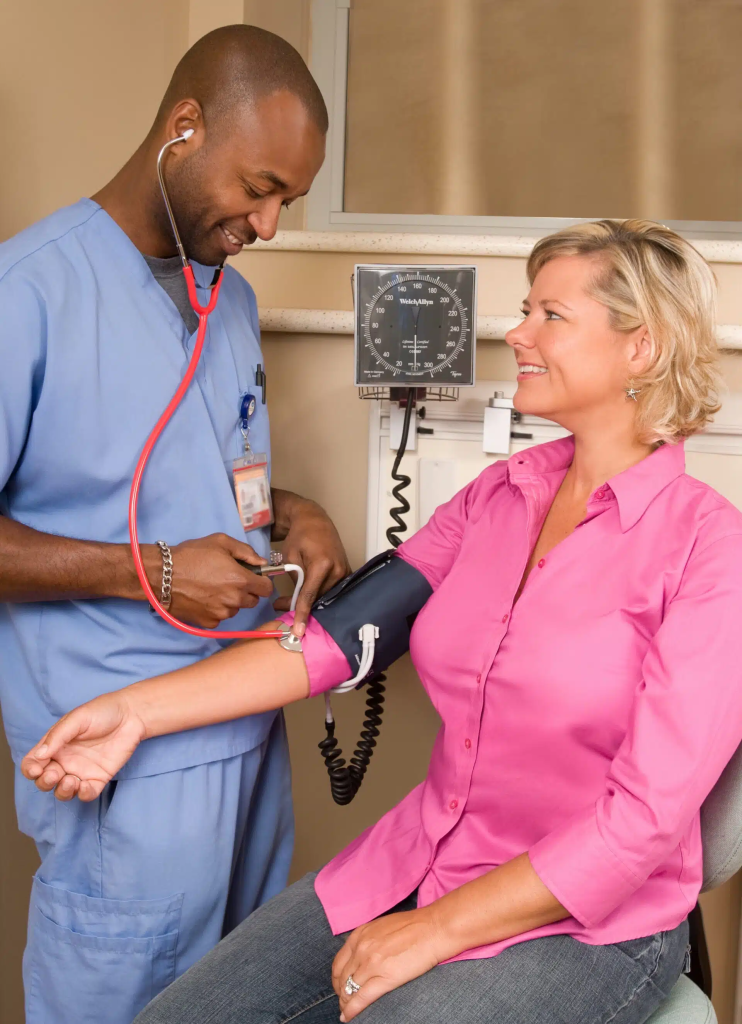
It’s great to confirm that a brand new set of security management standards is being introduced for the UK healthcare sector, following news that NHS England has been engaging with the National Association for Healthcare Security (NAHS). This is a major development. The new standards haven’t been published yet and more details will be announced at the NAHS annual conference this week. What’s already clear is that these new standards will have a very positive effect.

In the fast-paced world of healthcare, ensuring the safety of patients and staff is paramount. Workplace violence (WPV) poses a significant and growing threat to the sector, affecting not only the physical and mental wellbeing of personnel but also the quality of patient care. In their strategies for reducing these risks, healthcare organizations, and those who advise them, have traditionally looked to a familiar and long established range of protective measures. These solutions cannot solve the problems now being faced by the sector: they are largely reactive, and as a result they can only provide limited benefits.

In today’s fast paced and competitive work environment, organizations know that it’s important to take seriously various aspects of employee wellbeing, such as physical health, mental wellness, and work-life balance. However, in wellbeing programs, there is an essential aspect that often takes a backseat, even though it can have a major impact – safety, and feelings of safety. The connection between an individual’s sense of safety and their ability to thrive within an organization is profound. So, safety should be a cornerstone of any wellbeing program.

We know that workplace violence in health settings is mostly patient generated, and we know that the problem is getting worse. It’s impacting employees and employers, as well as costs and the quality of services. In a groundbreaking new white paper on this topic by Eric Clay, president elect of IAHSS (the International Association of Healthcare Security and Safety), the violence statistics from the last decade, drawn from a variety of credible sources, all point steadily upwards.