Real-Time Coordination & Response

Texas A&M

Why Officer Safety Is the Real ROI of Safety Technology

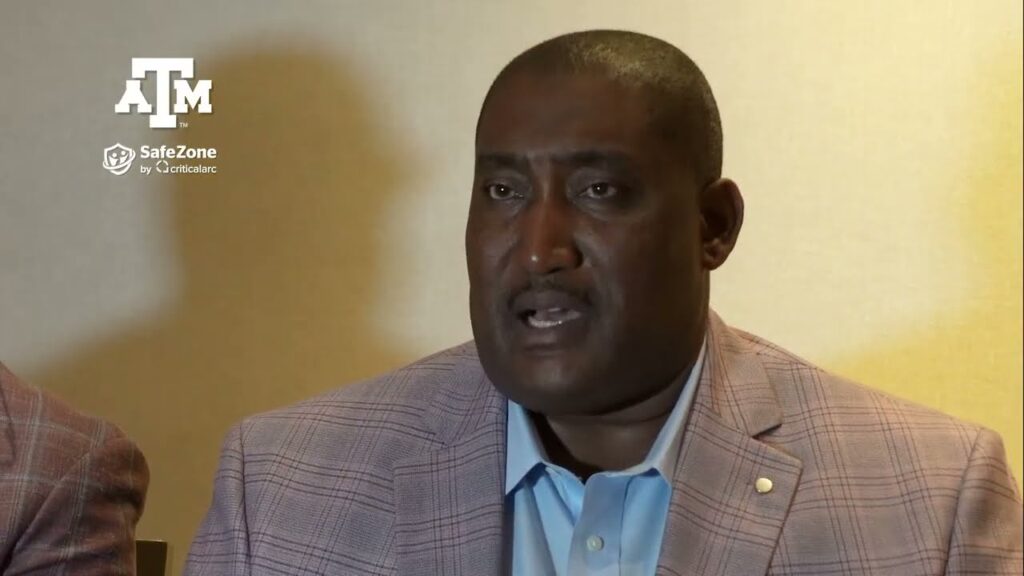
Mike Johnson, Chief of Police at Texas A&M University, and Kary Shaffer, Assistant Chief at Texas A&M University, explain why the true return on investment of SafeZone is officer safety. They describe how faster response, better awareness, and added safeguards help protect officers and the community every day.
Jon Barefoot

How Streamlined Alerts Improve Response Speed in Healthcare

Jon Barefoot, Vice President of Security, Safety, and Disaster Preparedness at Indiana University Health, explains how SafeZone improves operational efficiency by streamlining emergency calls. He describes how faster, more informed responses reduce dispatcher workload while maintaining high safety standards.

Joe Monroe

Improving Safety and Response at Large Campus Events

Joe Monroe, Chief of Police at the University of Kentucky, explains how SafeZone improves preparation and response for large-scale events. He highlights how real-time location awareness helps deploy officers more efficiently and reduce response times during incidents.

Texas A&M

From Static Plans to Real-Time Decision-Making on Game Day

Mike Johnson, Chief of Police at Texas A&M University, and Kary Shaffer, Assistant Chief at Texas A&M University, explain how SafeZone transforms static event action plans into live, real-time operations. They describe how messaging, location awareness, and live updates support faster, more informed decision-making during evolving incidents.

Barbara O'Connor

How Faster Response Times Save Lives on Campus

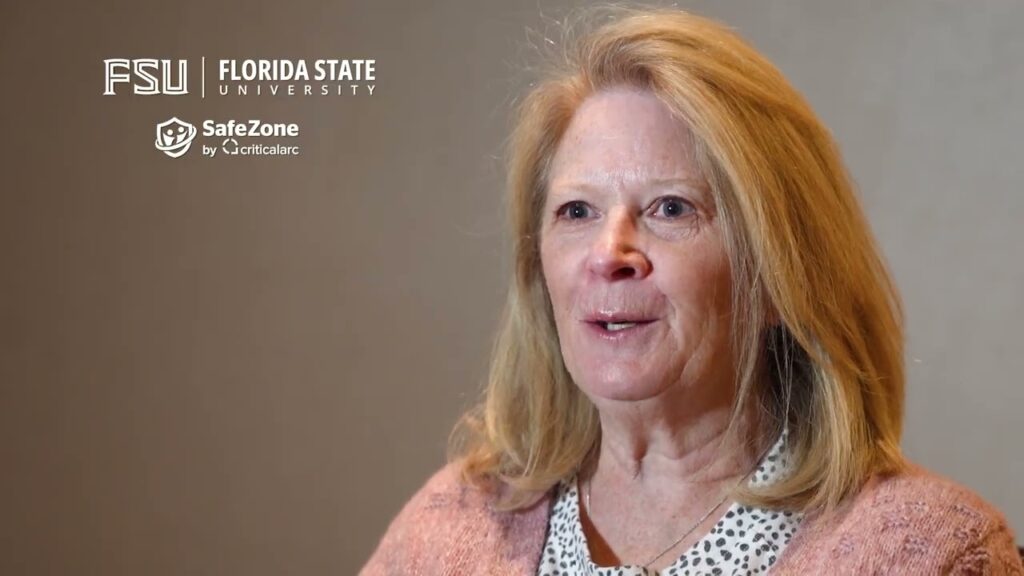
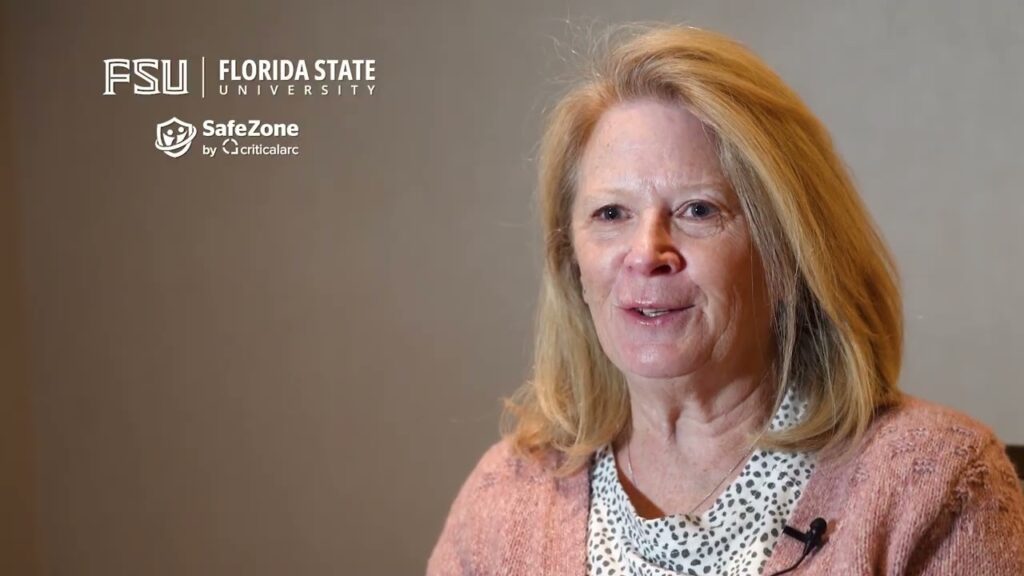
Barbara O’Connor, Assistant Vice President for Public Safety at Florida State University, recounts a critical incident on campus and explains how technology, dispatch coordination, and real-time crime center capabilities helped officers respond and neutralize a threat in under 2.5 minutes, demonstrating the life-saving impact of speed and coordination.

WesternU

How an Accidental Alert Proved Response Speed in Seconds

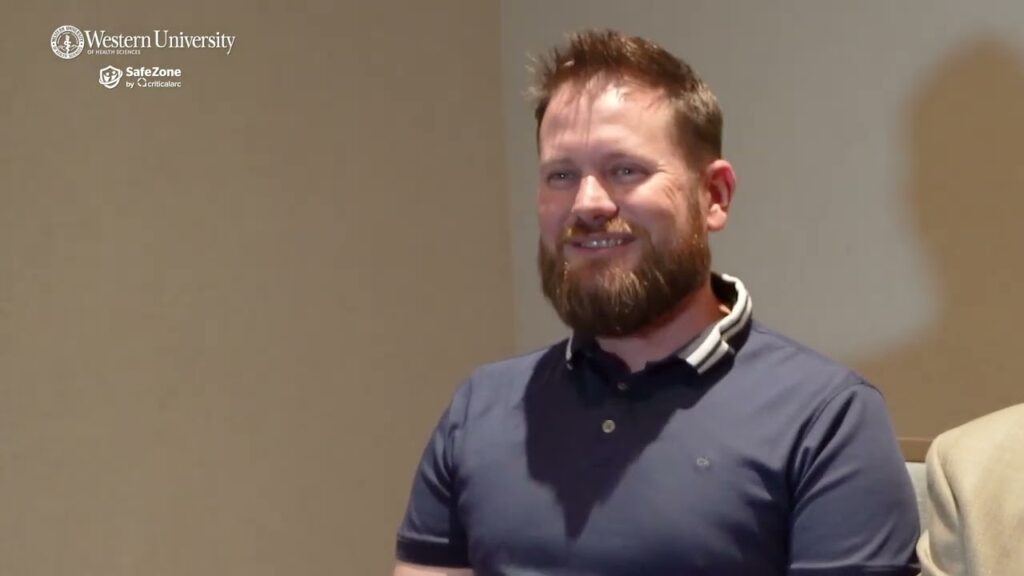
Associate Vice President of Operations Gabriel Valencia-Martinez, Manager of Campus Security Seth Miller, and Director of Security David Sevesind at Western University of Health Sciences recount an accidental SafeZone activation during a live demonstration that resulted in a security response within seconds. The moment served as a powerful, real-world validation of response speed and system reliability.

Barbara O'Connor

What Game Day Teaches Us About Everyday Campus Safety Operations

Barbara O’Connor, Assistant Vice President for Public Safety at Florida State University, explains how the collaboration and real-time coordination used on game days can be applied to everyday campus operations. She highlights the value of integrated safety centers, cross-department communication, and proactive risk management.

Texas A&M

How Faster Officer Deployment Improves Game Day Safety

Mike Johnson, Chief of Police at Texas A&M University, and Kary Shaffer, Assistant Chief at Texas A&M University, explain how SafeZone improves response speed by showing exactly where officers are in real time. They describe how accurate location data helps dispatch the closest available resources, even in noisy, crowded environments.

Joe Monroe

How SafeZone Supports Game Day Safety and Transient Crowds

Joe Monroe, Chief of Police at the University of Kentucky, explains how SafeZone helps manage safety during large game day events. He highlights how geolocation and beacon technology enable faster officer response and more efficient communication with transient fan populations.

Clint Jones

Why Parents See Campus Safety Apps as Essential

Clint Jones, Project Manager at Tarleton State University, shares a real-world story demonstrating how parents value campus safety technology. He explains how parents were eager to adopt SafeZone to provide added protection and peace of mind for students in vulnerable, high-visibility roles.