


In higher education, safety is not just an operational function. It is a visible expression of institutional values. The way a university communicates about safety investments signals leadership maturity, governance strength, and cultural priorities. When institutions position enhancements proactively, they demonstrate foresight. By staying silent, they allow others to define the story.
Proactive positioning ensures your values are on display before a crisis ever tests them.
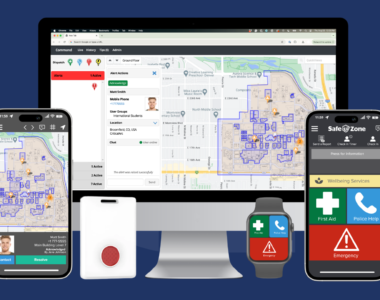
When a university announces institution-wide enhancements like SafeZone as part of a continuous improvement strategy, it reinforces a culture of vigilance and accountability. It signals that safety is dynamic and that systems, training, communications protocols, reporting channels, response coordination, governance oversight, and technology infrastructure are continually reviewed and strengthened. It makes clear that leadership is investing in capability, not reacting to incident.
The Headlines You Choose Matter
Consider the power of proactive messaging with these examples.
Strong and Institutional
- University of X Strengthens Its Commitment to Campus Safety and Wellbeing with Proactive SafeZone Investment
- Building on a Strong Safety Record: University of X Introduces SafeZone
- Investing in Prevention: University of X Enhances Safety and Wellbeing with SafeZone
Community-Focused
- Your Safety, Our Priority: University of X Launches SafeZone
- Helping You Feel as Safe as You Are: SafeZone at University of X
- Empowering Students and Staff with Direct Access to Help
- See Something, Say Something: How to Report Concerns with SafeZone at University of X
Leadership and Forward-Thinking
- Proactive Protection: University of X Sets the Standard with SafeZone
- Continuous Improvement in Safety and Care
- Leading with Prevention, Not Reaction
Narrative-Control Framing
- Because Safety Is Never Static: University of X Introduces SafeZone
- Never Complacent: Investing in the Next Level of Campus Safety
- Enhancing What’s Already Strong

A proactive announcement might read:
Headline: “Never Complacent: Investing in the Next Level of Campus Safety”
“University of X has long been recognized as a safe and welcoming campus community. We believe, however, that safety is never static. It requires continuous investment and innovation. That is why we are proactively introducing SafeZone, enhancing direct access to support and strengthening our coordinated response capabilities. This investment reflects our ongoing commitment to ensuring every student, faculty member, and staff member not only is safe but feels safe every day on our campuses.”
This is leadership language. It reinforces strength while signaling vigilance. It closes the narrative gap before others can exploit it. Now contrast that with the alternative headlines institutions and their communities never want to see. Stories framed around alleged underinvestment, complacency, governance gaps, deferred upgrades, or systemic neglect.
The difference is not cosmetic. It is strategic.
When Silence Creates Risk
Once a narrative forms around failure, the consequences extend far beyond social media commentary.
Institutions often find themselves responding to online speculation, regulatory scrutiny, and reputational damage. Investigations may examine years of policy development, system design, reporting mechanisms, training records, communication gaps, oversight structures, and historical funding decisions. Even when leaders have been working to improve safety systems, that progress can be overshadowed by a perception that action came too late.
The story shifts from enhancement to alleged underinvestment. From continuous improvement to supposed complacency. From leadership to defense.
No university wants regulators, federal agencies, or governing bodies examining their systems, policies, and training history under intense public pressure. No executive team wants to defend historical investment decisions in front of cameras or in courtrooms while external voices frame the narrative differently.

The Financial Reality: Safety Is a Strategic Investment
This conversation is not only about reputation. It is all about protecting lives, and the fact is that this approach also best protects revenue stability and financial governance.
Research funding, government grants, philanthropic donations, and corporate partnerships increasingly carry expectations around safety, wellbeing, and institutional risk management. Grant conditions often require evidence that institutions maintain environments that protect students, staff, and research participants. Donors and alumni want alignment with values. Foundations want assurance that institutions demonstrate responsible stewardship.
A visible, proactive safety strategy strengthens credibility with federal and state grant bodies, research councils, ethics committees, corporate partners, alumni donors, and philanthropic foundations. Proactive investment signals that leadership understands risk, compliance, and duty of care. It demonstrates institutional stability, which is critical when large, multi-year funding commitments are evaluated.
The financial consequences of failure are significant.
A single high-profile incident can trigger regulatory fines, suspended funding, withdrawn grants, donor hesitation, enrollment decline, insurance increases, and costly litigation. The financial loss from one catastrophic failure often exceeds years of proactive safety investment. Seen through this lens, investing in safety systems is not merely an operational expense. It is a deliberate financial decision tied to revenue protection and long-term institutional sustainability.
When institutions claim there is no budget for safety enhancements, while simultaneously funding new buildings, expanding athletic programs, or launching brand initiatives, that is not a resource constraint. It is a prioritization choice. It is an intentional decision about where risk is tolerated. Budgets reflect values. Stakeholders understand this.
A Word to Marketing and Communications Teams: Beyond Mass Communications, Escaping the “Safety App” Trap
There is understandable hesitation within some marketing departments to speak openly about security, safety, or policing. The concern is that safety messaging may invite backlash or create a perception issue. Avoiding the topic does not reduce risk. It increases it. Silence creates a vacuum. Vacuums get filled.
Communicating proactively about safety enhancements is far easier than becoming the public face of the university during a crisis, explaining any combination of historical underinvestment, defending communication gaps about safety initiatives, or responding to allegations that systems were outdated or insufficient. In reactive moments, nuance disappears. Context collapses into click-bait headlines. The same teams that hesitated to tell a proactive story may instead find themselves managing a defensive one. It is far better to lead the conversation now with mass engagement and culture consistency that proactively fosters and develops successful mass communications.
Recruitment, Retention, and Institutional Confidence
Proactive safety leadership is also a talent strategy. Students and families want assurance that safety is embedded in institutional culture. Faculty and staff want to know their wellbeing is prioritized. Prospective hires evaluate risk, governance maturity, and leadership credibility when choosing employers.
An institution that visibly and genuinely invests ahead of risk signals foresight, stability, and care. That strengthens recruitment. It supports retention. It reassures boards. It builds regulator confidence. It protects long-term revenue streams tied to trust.
Lead with Strength
The question is simple. Would you rather see headlines about strengthening an already safe campus, or headlines suggesting years of underinvestment and complacency?
One reflects leadership. The other invites investigation, financial loss, and reputational damage. Safety transformation is not reactive compliance. It is proactive governance. It is risk management. It is revenue protection. It is values made visible. It is time to step outside of the comfort zone and challenge the status quo.
Engage CriticalArc Consulting and begin your transformation journey today to lead with clarity, confidence, and control of your institution’s narrative.


 Posted 8th Oct 2026